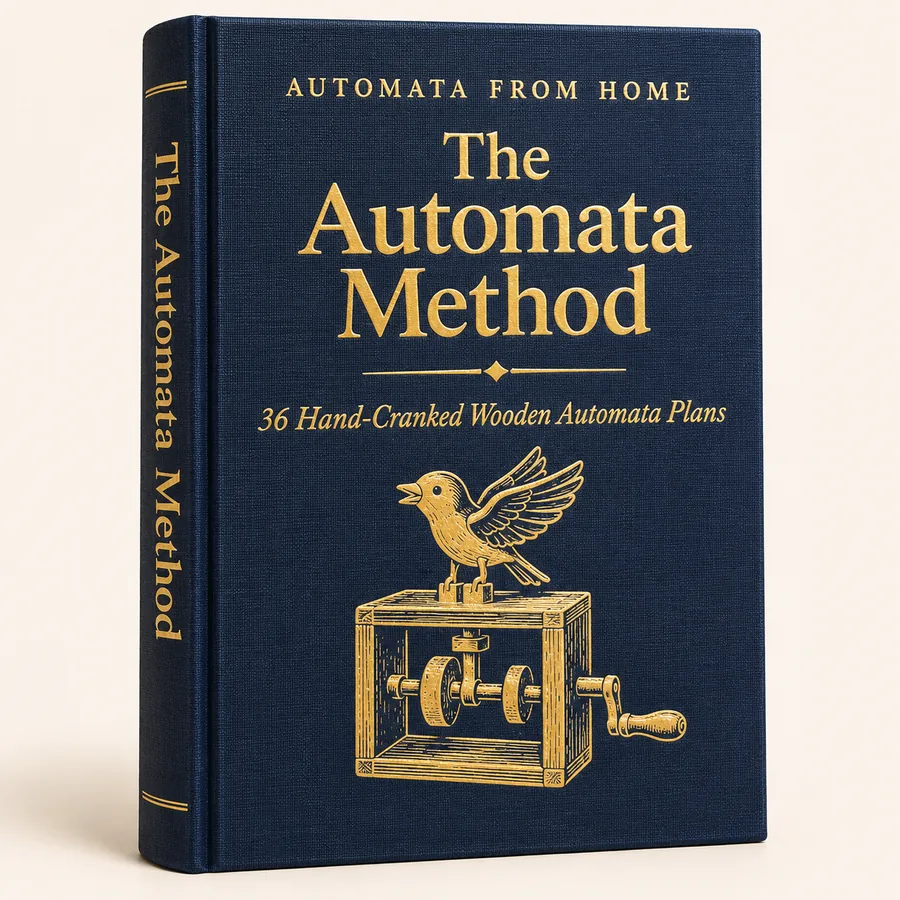
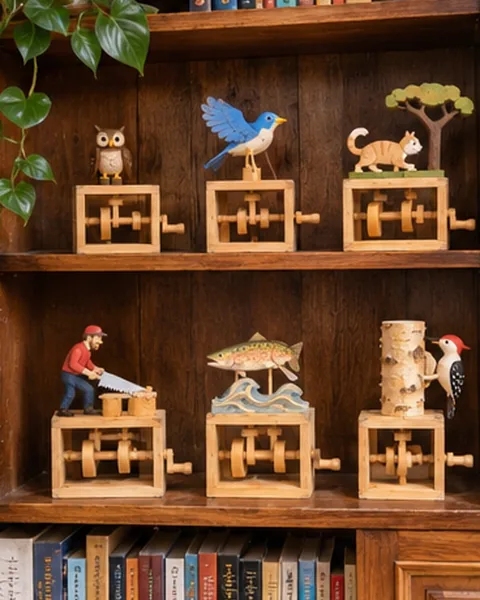
The step-by-step method: 36 hand-cranked wooden automata plans with full-size templates, numbered steps and a turn test at every stage, plus a pricing sheet and a selling plan, so you can build your first moving piece this week and turn them into a little extra income at craft fairs, on Etsy and as gifts.

“Beautiful craftsmanship and design. My Granddaughter will love it.”
“It gives me a sense of learning things and keeps my brain active.”
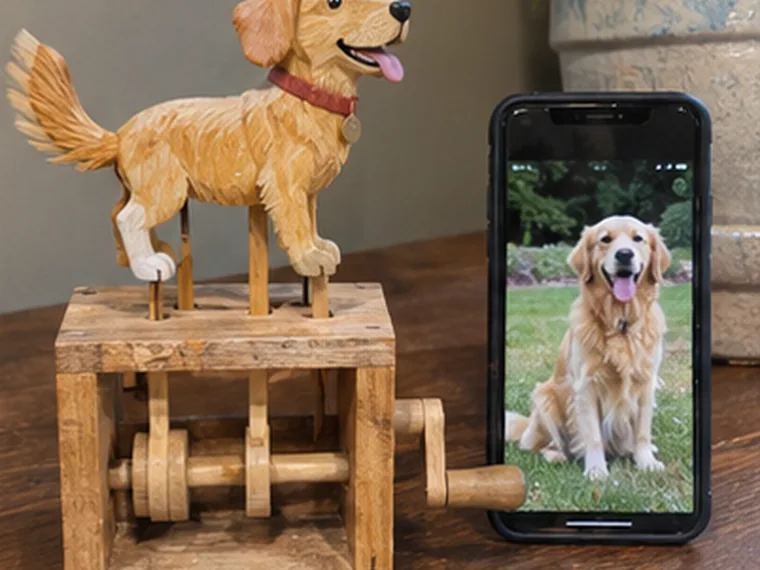
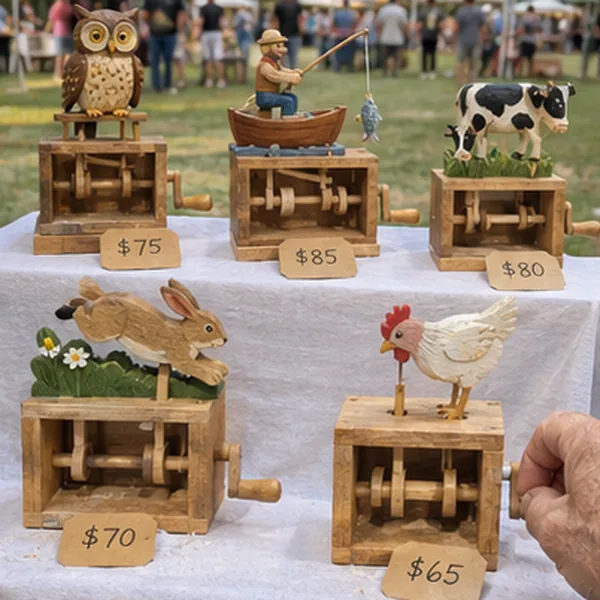
Search Etsy for hand-cranked wooden automata and you'll find birds, swans and cats chasing mice, all moving on a little crank. A small bird goes for about $40, a cat-and-mouse piece for about $70. A handmade dog automaton sells for $220. And the buyers keep saying the same thing: perfect gift.
“Absolutely adorable!!! Perfect gift, well crafted”
Etsy buyer · $40 hand-cranked bird
Prices: Etsy listings for hand-cranked wooden automata, November 2, 2026. Material cost: estimate from US hardware-store prices for pine, basswood, dowels, glue and paint. Your cost depends on the wood and finish you choose.
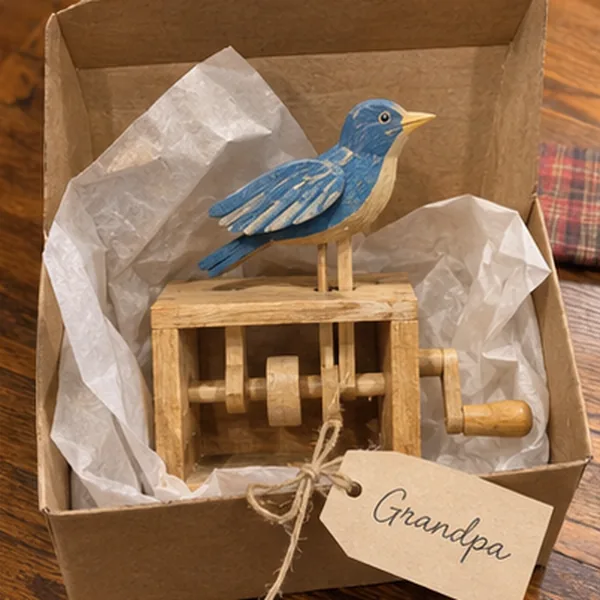
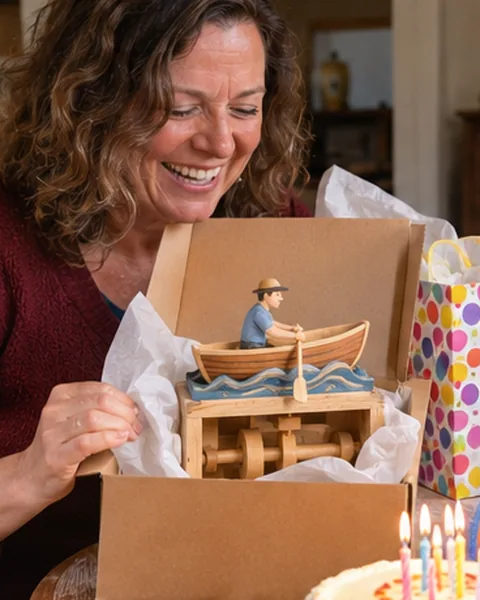
A wooden piece that moves is the gift nobody else brings: for Dad, for Grandpa, for the grandkids, for the neighbor who has everything. People start looking 3 to 4 weeks before, and the makers who sell the most have a piece on the table before anyone asks.
Enough time to build your first piece this week, take one good photo and line up your first orders before the rush, with Father's Day and the spring fairs right behind it.
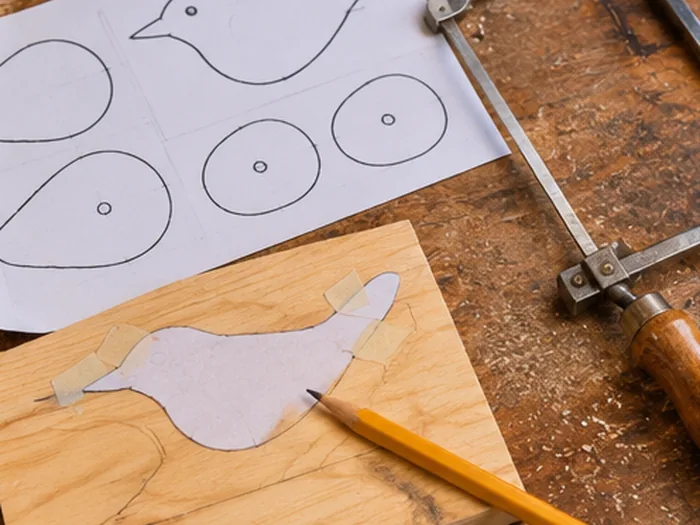
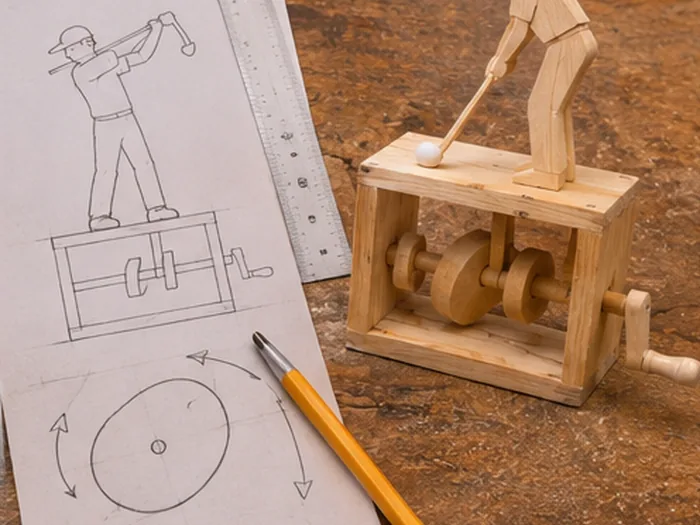
Every plan comes with full-size templates to trace and cut, numbered steps and a turn test at the end of each stage. Turn the crank, watch it move, then glue. It was never your hands. It was the plans.
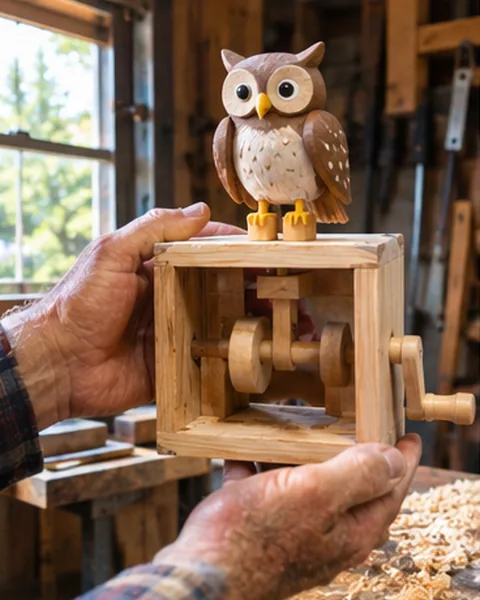
Your first piece takes a weekend while you learn how a cam lifts and a crank pushes. After a few, a simple piece takes an evening or two. You decide how many you make.
The pine, dowels, glue and paint for one simple piece cost about $8 to $12. The pricing sheet shows you what to charge, so you never give your time away for free.
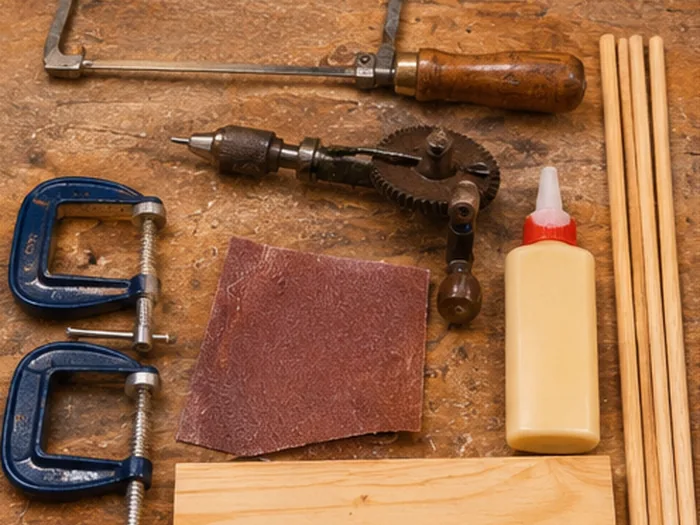
A coping saw or scroll saw, a drill, sandpaper and wood glue. Plus about $40 of pine boards and dowels, enough for your first 4 or 5 pieces. After that, the first sales pay for the next wood.
There's no off-season for a gift that makes people smile, and no off-season for a little extra income. There's always a birthday, a holiday or a retirement that needs something nobody else has.
🎂 Birthdays · 🎣 Fishermen · 🐶 Dog lovers · 👴 Retirements · 💍 Anniversaries · ⛪ Church bazaars · 🏫 Teachers · 🙏 Thank-yous · 🏡 Housewarmings
$40–85The ones people buy after turning the crank once. You build a few in the evenings and keep them ready for the next fair or the next birthday.
$150 and upBigger orders for big days. Higher price, and the customer tells you exactly what they want.
Open the Method and build your first piece. If it isn't for you, send one email within 7 days and we'll refund you in full. No forms, no hard feelings.
They were exactly where you are before the first piece.
Dennis ›
Ron ›
Steve ›
Illustrative conversations based on what woodworkers and automata makers share online. Individual results vary.
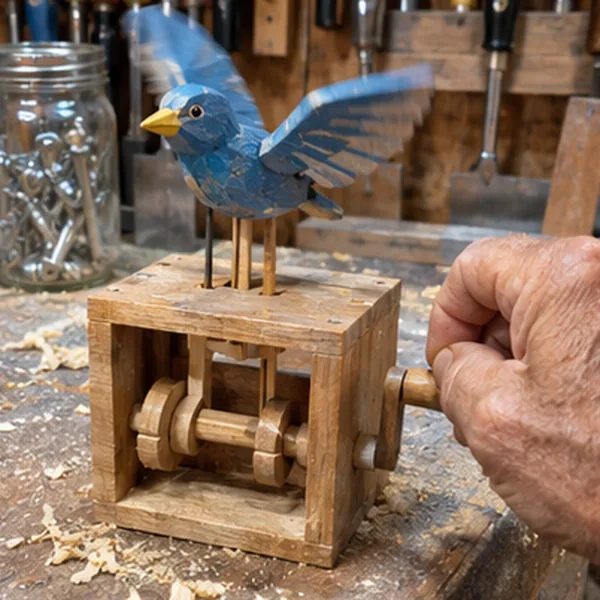
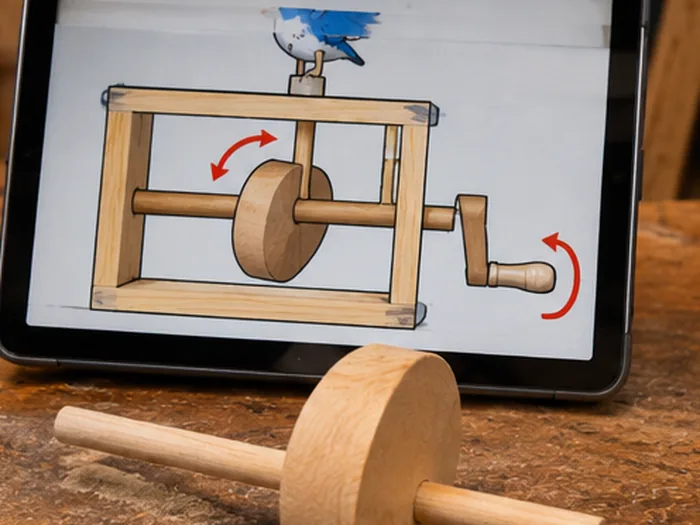
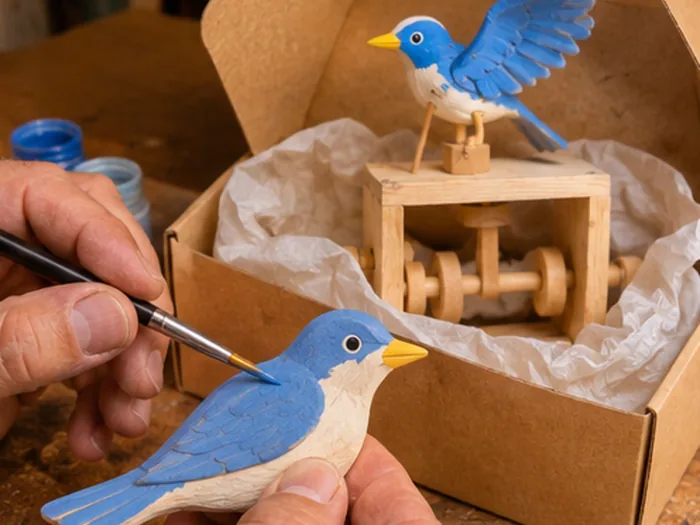
One evening. See how a cam lifts, a crank pushes and a lever swings, the three moves behind almost every piece. Then start with the bluebird: the one people ask for most.
About $40 of pine and dowels from the hardware store. Print the templates, trace, cut and drill, and turn the crank at every turn test before you glue.
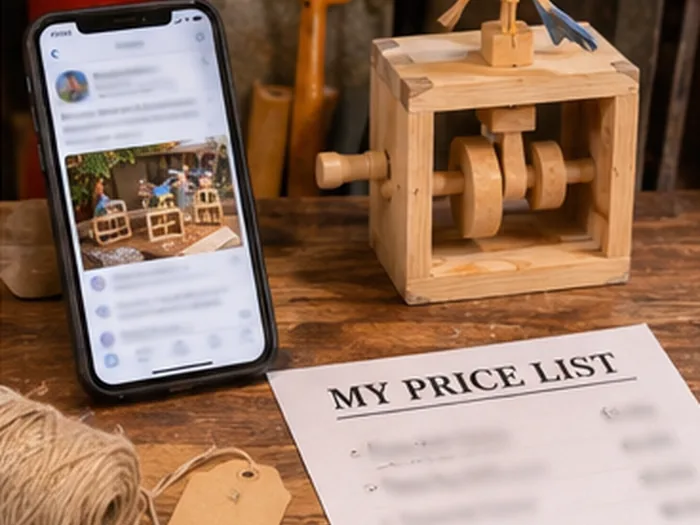
The pricing sheet gives you the price. Post with the template, first to people who already know you: neighbors, family, church friends and the guys at work.
Get paid, hand it over, and clip a price tag on the next one. Then build the next.
That's it. One week. And just like that, you're selling automata.
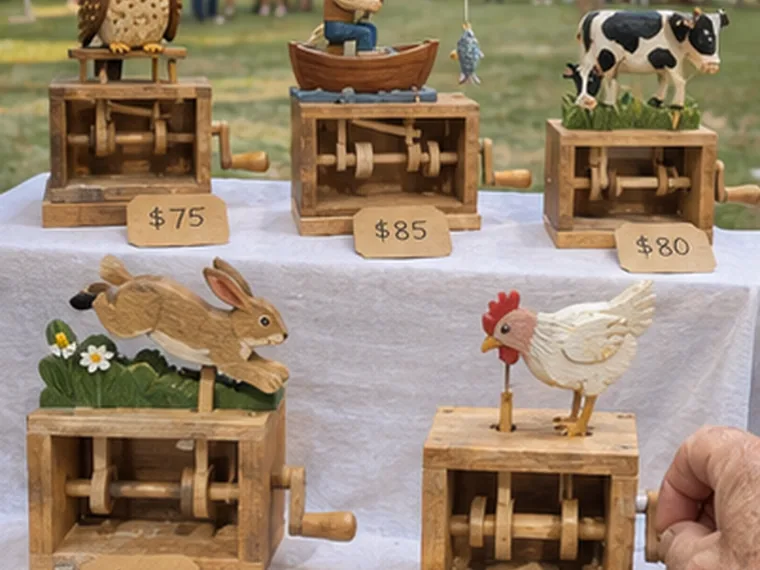
Every one of these is a plan inside. Same full-size templates, same pricing sheet.
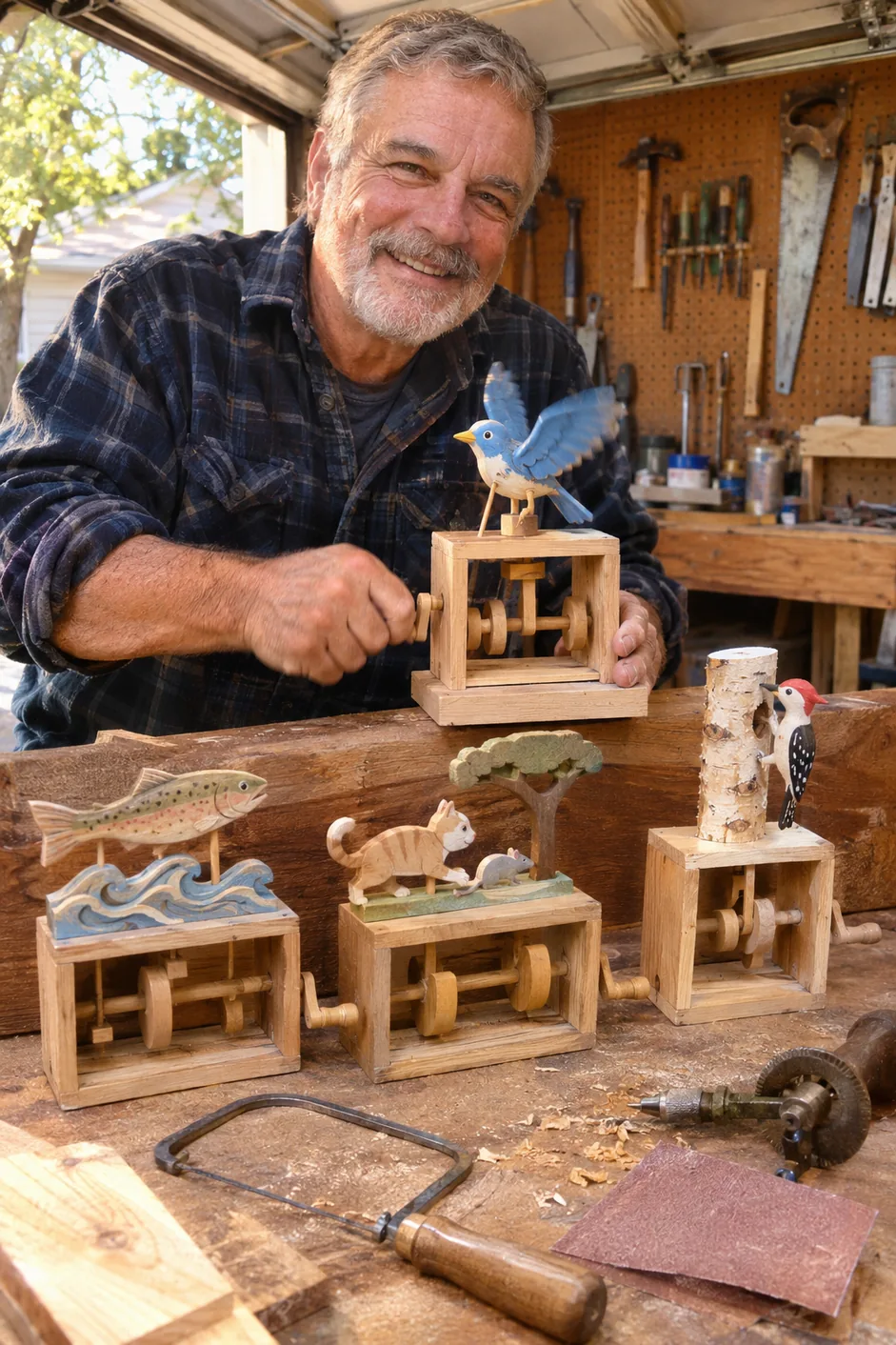
Flapping bluebirdSells for $40–60
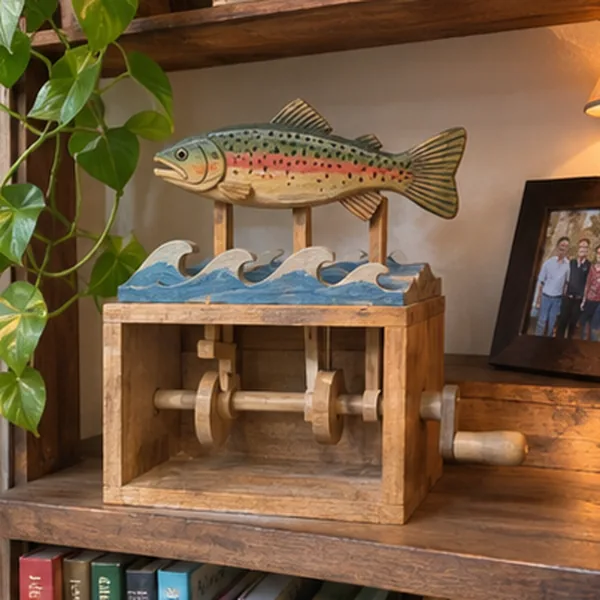
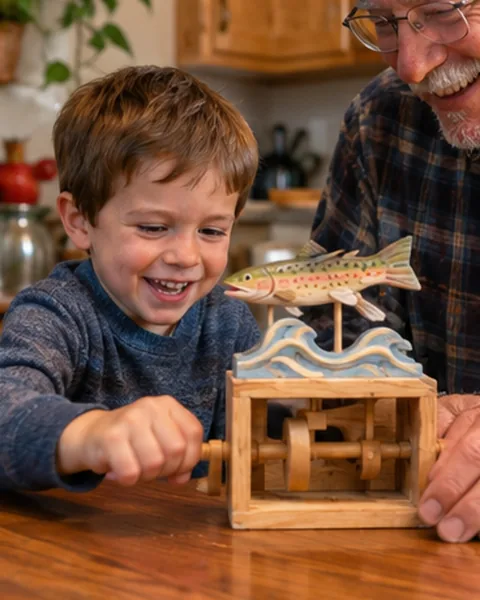
Trout over the wavesSells for $55–75
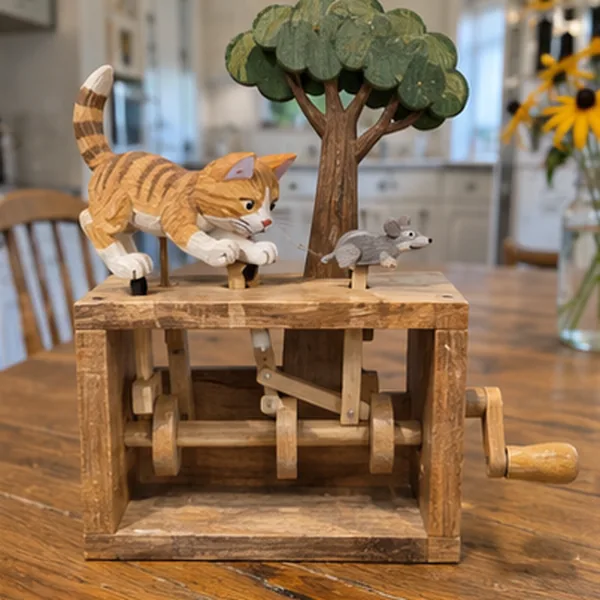
Cat and mouseSells for $55–75
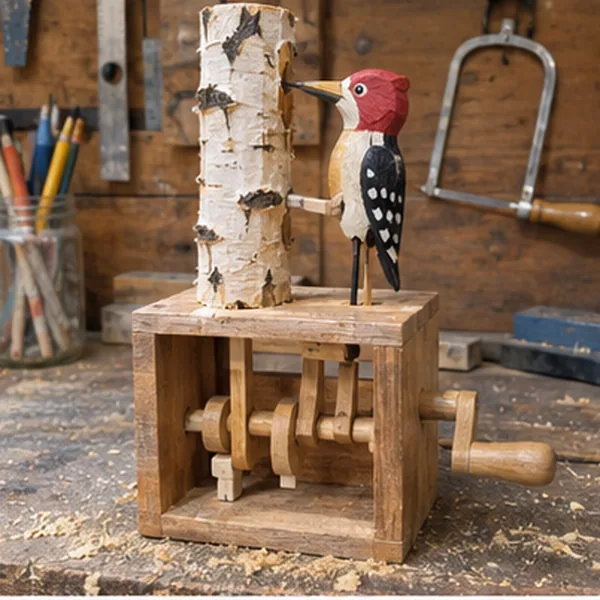
WoodpeckerSells for $45–65
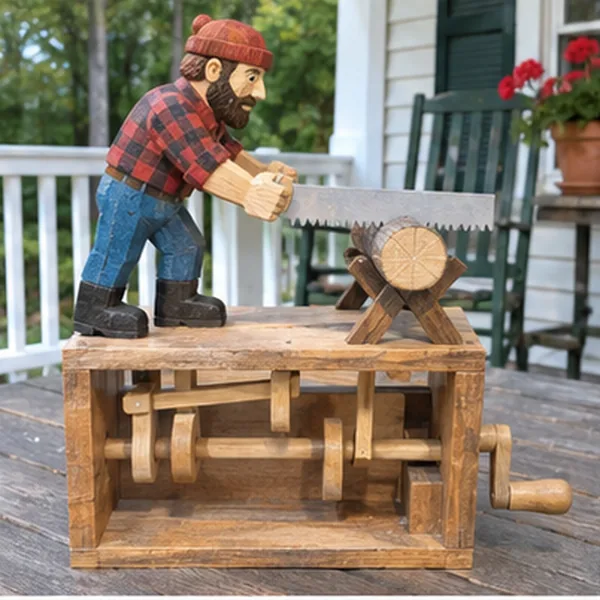
The lumberjackSells for $60–90
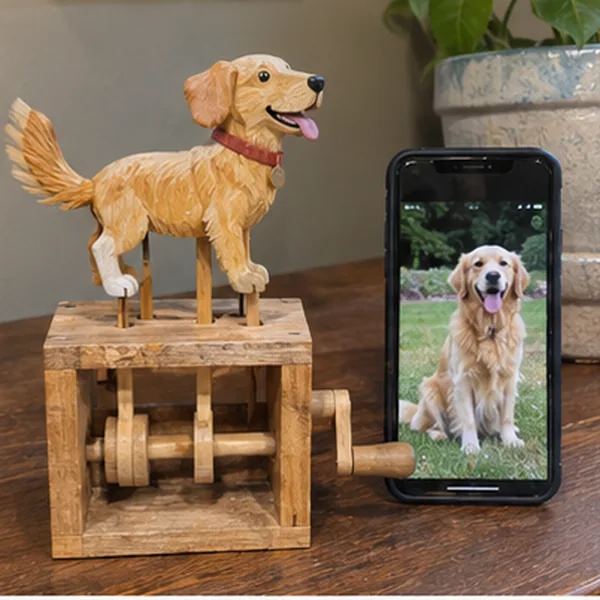
Custom dogSells for $150–220From the first piece you build to the first piece you sell.
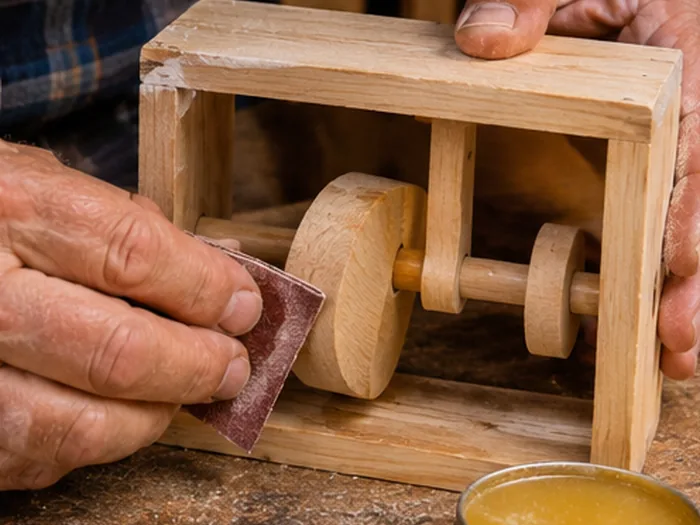
Every automaton is a few simple parts: a shaft, a cam, a follower, a crank, a lever. Here each one is drawn in color with what it does, in plain words. No engineering, no math, no motors.

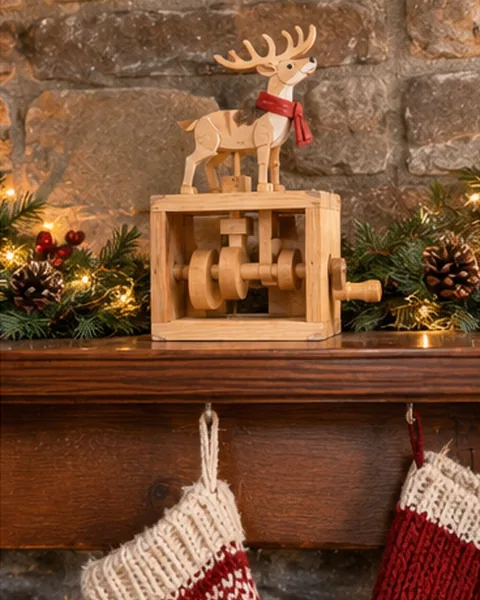
Birds, fish, cats, dogs, a woodpecker, a rower, a lumberjack, a fisherman, holiday pieces and more. Start with the Level 1 pieces, one cam and one figure, and move up when you're ready.

When the figure stops halfway or the crank fights you, it's almost always one of a few things. This guide shows you which one, and how to fix it without taking the whole piece apart.

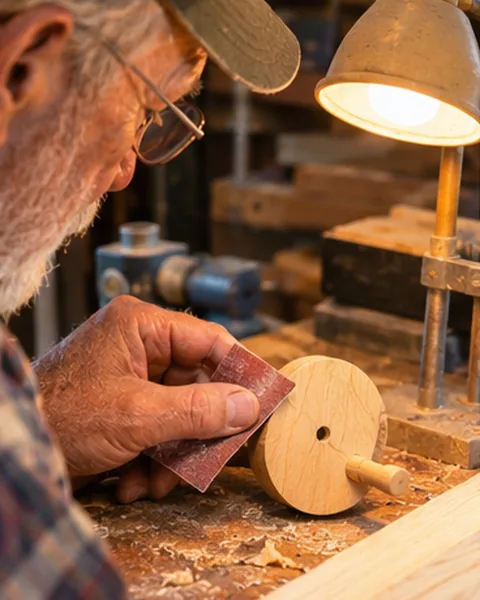
A coping saw or scroll saw, a drill, sandpaper, clamps and glue. What to buy, what to skip, and which wood to pick at the hardware store, so you don't spend a fortune before the first sale.

Simple paint, oil and wax finishes that make a pine piece look like it came from a gallery shop, and how to box it so it still turns smoothly when it gets home.

Want a golfer, a fisherman or a dog that wags? Pick the movement, match it to one of the 12 mechanisms and draw your figure, with the blank design sheets included.

Your extra income starts here: what to post, what to say and what to charge to sell your first pieces to people who already know you: neighbors, family, church friends, coworkers and local fairs.

What happens after the first piece.

“Over the years I have built more than half of them.”
Woodworker · on a book of moving wooden projects
“When you leave my booth, my goal is that you leave happy.”
Woody Jones · automata maker, Georgia
“They also would make great presents for the grand children.”
Woodworker · on a book of moving wooden projects
“If you could whip up a few other designs like this one, I will snatch them up for their 2027 Christmas gifts.”
Etsy buyer · hand-cranked bird automaton
“I just make it because I think it's fun and a great way to spend the time”
Don Becker, 57 · automata maker, Washington D.C.
“Beautiful little desk-top gift. Perfect for my daughters office. She friggin' loves it!”
Etsy buyer · hand-cranked automaton
“In the last few months I have made 6 more models.”
Woodworker · on a book of moving wooden projectsReal words from woodworkers, automata makers and buyers of handmade automata online, not from buyers of this method. Results vary.
No. This is a digital method: you get instant access to every plan, template, guide and printable the moment you pay. Wood and tools aren't included and nothing is shipped, so there's no waiting and no shipping cost.
Yes. That's what the turn tests are for. You start with a Level 1 piece, one cam and one figure, every step is numbered, and you turn the crank at the end of each stage before you glue anything. Your first one takes the longest. After a few, the mechanisms start to make sense.
There are, and there are books from the UK in millimeters. The problem was never finding a picture of an automaton. It's building one that actually turns: plans without measurements, videos that skip the part where it jammed. You need a plan you can finish, then the next one, and a way to turn them into extra income.
It depends on your hours. If you keep about $50 a piece, one piece every two weeks works out to about $1,300 a year, and one a week to about $2,600. The holidays run higher, and custom orders pay more. Results are not guaranteed and depend on your effort, prices and area.
People who want a gift that isn't from a big store and that makes everyone in the room smile: grandkids for Grandpa, wives for the husband who has everything, dog owners, fishermen, retirement parties. On Etsy, a small hand-cranked bird sells for about $40, a cat-and-mouse piece for about $70, a handmade mouse or killer whale for about $85, and a handmade dog automaton for $220.
A coping saw or scroll saw, a drill (a hand drill works), sandpaper, clamps and wood glue. Plus pine or basswood and a few dowels, about $40 at the hardware store for your first 4 or 5 pieces. Module 4 tells you exactly what to buy and what to skip.
You don't need one. The pieces are small, a box of about 6 to 8 inches, and every plan is made for basic hand and power tools. A corner of the garage, a basement table or the kitchen table with a cutting mat is enough.
You start with people who already know you: neighbors, family, church friends and coworkers. A piece on your own shelf or desk does half the work, because people turn the crank and ask about it. The kit gives you the exact posts and messages, and you only buy more wood after you sell.
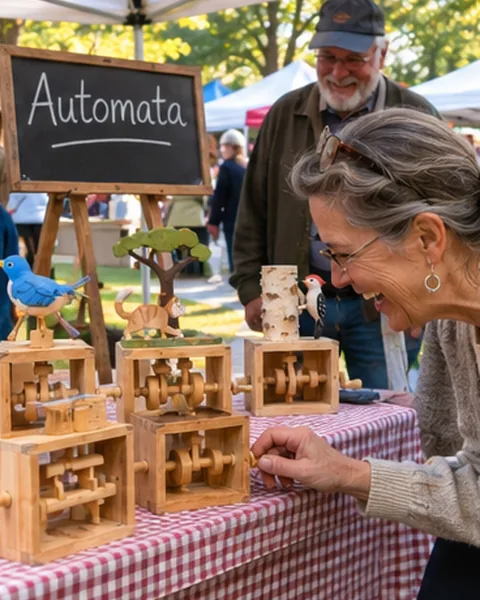
Neighbors and word of mouth, craft fairs, church bazaars, farmers markets, local Facebook groups and Etsy. The Sell-Your-Automata Kit shows you where to start in the first 30 days.
No. Automata have small parts and moving pieces, so they're sold as decor, collectibles and gifts for adults, not as toys for young children. The kit shows you how to label them. If you want to sell items made for children, look up the rules for children's products first.
Start with the Level 1 pieces, which have larger parts and simple cuts. A scroll saw or clamps do most of the steadying for you, and the templates mean you trace and cut instead of measuring by eye.
You don't need to be. The full-size templates already have the cam shapes and hole positions drawn on them. You trace, cut and drill where the template says, and the turn test tells you if it's right before you glue.
Your first piece takes a weekend, and the simple Level 1 pieces get faster once you know the three main mechanisms. Many makers build in the evenings or on Saturday mornings, and you decide how many you make.
No, and you shouldn't sell them. Characters from movies and shows belong to their owners. Every piece in the Method is an original design you're free to build and sell.
No. You can sell as many pieces as you build, but the plans, templates and printables are for you. Sharing or reselling them isn't allowed.
Yes. Checkout is secure, everything arrives in your email the moment you pay, and you're covered for 7 days.
Your purchase is covered for 7 days. Open the Method, build a piece, and if it isn't for you, send us one email and we'll refund you in full.